Keeping a clean floor is like giving your home or office a fresh foundation – it instantly uplifts the whole space. Imagine not having to hide scuff marks or sticky spills until the guests leave. Yet many of us rely on a quick mop-and-go, thinking a fortnightly mopping session will suffice.
In reality, floors take a beating – kicked in dirt, spilled coffee, even pet hair – and our trusty old mop often just scratches the surface. You might be surprised how much lurking grime a regular bucket-and-mop routine misses.
I’ve stood in rubber-gloved boots, broom in hand, staring at a not-quite clean spot wondering why it stubbornly survived my sweeping. That’s the moment you realise: regular mopping has limits.
Sure, it’s convenient for daily tidying and small messes, but it can leave behind residues and hidden muck. On the other hand, a deep professional floor care clean works like a reset button, lifting layers of dirt and restoring shine.
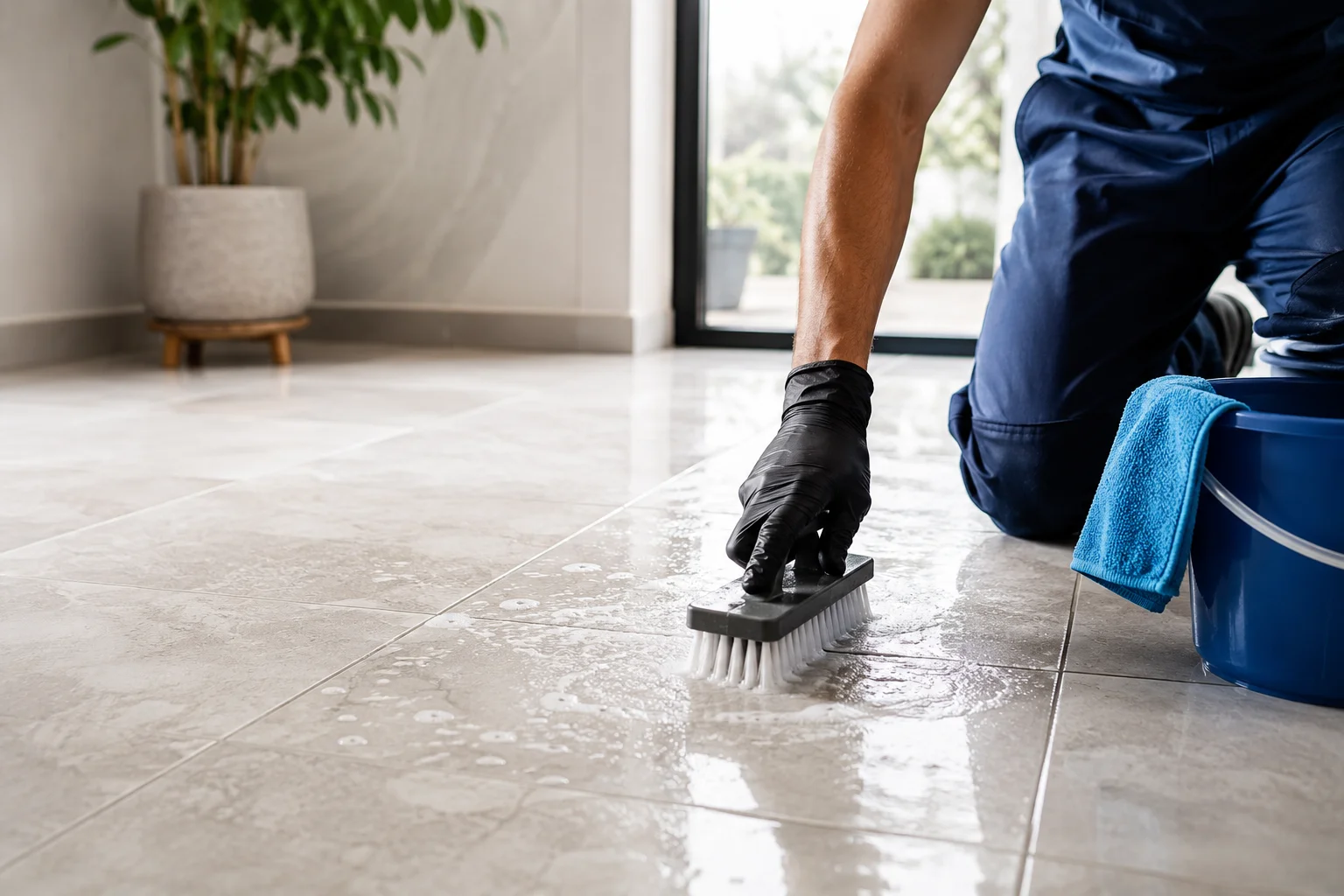
For example, enlisting Professional Floor Care Cleaning is like giving your floors a spa day. Instead of pushing dirt around, experts use machines and techniques that actually remove buildup from grout, crevices and textured surfaces.
They’ll use the right solution for timber, tile, vinyl or stone so the surface isn’t ruined by harsh chemicals or too much water. In my experience, this makes a world of difference. After a professional clean, floors look brighter, and you can feel the difference underfoot – not sticky or dull, but fresh and smooth.
Let’s dive into the showdown: plain-vanilla mopping versus high-octane professional floor care. We’ll look at the pros and cons, the tricks of the trade, and when it’s time to call in the experts.
The Limits of Regular Mopping
Mopping your floors is a necessary part of any cleaning routine – it’s quick, familiar and uses tools everyone has at home. When done right, daily or weekly mopping removes surface dust, spills and crumbs, keeping floors looking tidy.
A soft broom followed by a damp mop (especially microfibre) is great for routine upkeep. But here’s the catch: mops only clean the top layer. Over time, dirt can settle into grout lines, corners and the tiny pores of flooring, and a casual mop just pushes it around.
- Surface clean only: Your basic mop and bucket excel at wiping up fresh spills. However, stubborn stains (like an old coffee spill) or ingrained sand won’t budge as easily.
- Residue and streaks: If you use too much detergent or the wrong product, mopping can leave a filmy residue that attracts new dirt. You might’ve noticed a glossy sticky patch after mopping – that’s often leftover cleaner, which ironically makes floors grimier over time.
- Wet floors & damage: Sloshing water on wood and laminate can cause warping or swelling if it seeps between planks. Even vinyl floors may curl at the edges if they sit in pools of water too long. A common mishap is using a steam mop on hardwood – looks efficient, but that steam can ruin the finish.
- Limited tools: Your home cleaning kit (broom, vacuum, mop) is handy but not deep-clean powerful. For example, a household vacuum or dust mop is fine for dust bunnies, but it won’t extract wet mess in grout grooves or lift oily film. As one cleaning expert notes, basic DIY tools may “remove surface dust” but often can’t touch the dirt caked into textured surfaces.
Table: Regular Mopping vs Professional Cleaning
| Feature | Regular Mopping | Professional Floor Cleaning |
|---|---|---|
| Purpose | Routine maintenance, quick fix | Deep cleaning, restoration |
| Tools Used | Handheld mop, bucket, vacuum, broom | Industrial scrubbers, buffers, steam cleaners, extractors |
| Cleaning Solutions | Common detergents, soaps | Specialized pH‑balanced and eco solutions |
| Effectiveness | Surface grime, visible spills | Embedded dirt, stains, streaks, allergens |
| Frequency | Often (daily/weekly) for maintenance | Periodically (monthly/quarterly or as needed) |
| Cost | Low (DIY) | Higher per service (but less often) |
| Best For | Quick touch-ups, light messes | High-traffic areas, stubborn buildup, upkeep of finish |
The table shows that while mopping is cheap and quick, it only skims the surface. Over time, I learned the hard way that mop-cleaning leaves grout looking dingy or wood slightly dull – things I wouldn’t notice until I saw them gleaming after a pro clean. When my toddler spilled a sticky juice in the living room and no amount of mopping fully removed the film, I realised it was time to call in experts.
Benefits of Professional Floor Care Cleaning
So what exactly do professional floor-care services bring to the table? A lot. The difference can feel like day and night. Here’s why bringing in a pro matters:
- Deep Dirt Extraction: Professional crews use machines like scrubbers, steamers or vacuums that agitate and suck up the grime. For example, a rotary scrubber with a rotating pad can break the bond of dirt on tile or stone. Steam or high-pressure systems can melt grease on kitchen floors. These methods reach deep into grout lines and microscopic scratches that a home mop never would. As one cleaning specialist observed, pros “loosen and remove layers that regular mopping can spread around”. In practice, it means they get rid of stubborn buildup, not just smear it around.
- Material-Specific Care: Different floors need different TLC. Professional cleaners will adjust the method to the surface:
- Hardwood/Laminate: They know that a slightly damp mop and wood-safe cleaner is the way to go. No waterlogging. After mopping, they might apply a light polish or buff to keep wood shiny and protected.
- Tile/Stone: Pros clean with the right pH neutral detergents. They often steam-clean grout or use scrubbing machines so those lines don’t remain dark and grimy. (I once had dark grout lines lighten up after a single pro cleaning session, which never happened with my homemade baking soda paste.)
- Vinyl: Heavy mops and gentle soap ensure vinyl stays glossy without getting scratched. The team will also check for scratches or bubbles to fix.
- Carpeted areas: If included, pros will shampoo or steam-clean carpets, extracting months of dust in one go – a depth most people only do yearly at best.
This targeted approach protects finishes and extends lifespan. For instance, improper cleaning (too much water or harsh chemicals) can strip away wood finishes or dull marble. Pros prevent that by choosing the right solutions and techniques, which means your floors stay beautiful longer.
- Health and Hygiene: It’s not just about looks. Clean floors mean fewer germs and allergens. A thorough clean removes bacteria, mould spores or pet dander hiding in tile grout or carpet fibres. In healthcare and hospitality, this is huge – one industry guide stresses that regularly cleaned floors help keep overall spaces hygienic. While we’re at home we think of appearance, in a professional clean they think of infection control. So, when you call them, you’re not just brightening tiles, you’re actually improving air quality and safety too.
- Time and Convenience: Let’s face it – deep floor cleaning is back-breaking work. Pros save you tons of effort. In one visit they can clean hundreds of square metres much faster. And they bring their own equipment. Imagine skipping the hassle of renting a floor sander or buffer machine and learning to use it safely. I love that I only need to vacuum in between; the heavy-duty stuff is outsourced now. That means I spend more time enjoying my weekend, not wrestling with a mop and wet floor.
- Impressive Results: Finally, the payoff: floors that look brand new. In my home, after a professional tile scrub and seal, the backsplash tiles and stone lobby floor actually gleamed in the daylight. My old wooden floor got a gentle buff and looked sharper. The sparkling result is something any homeowner notices. Plus, getting that deep-down clean means your regular mopping sessions actually start looking more effective afterward. It “resets” the surface, making it easier to maintain going forward.
In short, professional floor care cleaning addresses the shortcomings of DIY mopping. It’s an investment in your floors’ long-term health. And in a city like Perth – with its mix of sandy shoes in winter and pool parties in summer – the expertise really pays off.
Pro Techniques and Tools for Spotless Floors
Wondering what goes on under the hood of floor care cleaning? Here’s a peek at some of the tricks pros use, which explains why we ordinary mortals can’t quite replicate it with a store-bought mop:
- Commercial-grade Machines: Professionals often arrive with machines far beyond a household vacuum or plug-in mop. Think orbital scrubbers or rotary buffing machines: heavy units that spin hundreds of times per minute, sometimes with a scrubbing solution, to clean and buff hard floors. For example, ultra-high-speed (UHS) burnishers spin so fast (1000+ RPM) they literally polish concrete or marble surfaces, leaving a mirror-like shine. These machines also have vacuum attachments or squeegees to capture dirty water on the spot, instead of letting it sit on the floor.
- Steam Cleaners and Extractors: On stubborn spots, hot steam can dissolve grease that suds can’t. Steam cleaners sanitize as well, which is great for bathroom tile or kitchen floors. Carpeted areas (if part of service) get treated with water-extraction machines that spray a cleaning solution and then vacuum it up, taking embedded dirt with it.
- Specialized Cleaning Solutions: Instead of typical household floor detergents, pros use pH-balanced or enzyme-based cleaners tailored to each surface. For example, wood-safe liquids that won’t strip wax, stone cleaners that avoid acidic damage, and strong degreasers for greasy kitchen tiles. They also rinse well to avoid any sticky residue.
- Microscopic Tools: It may sound small, but microfibre dust mops and cloths are a huge part of professional routines. These trap fine dust far better than old-school string mops or cotton cloths. Many pros will dry-dust with microfibre first, then tackle the wet clean, ensuring they don’t just move dust around.
- Floor Stripping and Sealing: Every few years or when moving into a place, pros can strip old wax or sealant layers off floors. They literally remove built-up finish that’s darkened over time, then apply a new protective coat. This isn’t something you do with regular mopping at home – it’s a separate service that brings back original luster.
- Grout and Hard-to-Reach Areas: Special attention is paid to grout lines or edges where the mop head rarely reaches. Technicians use grout brushes or automated narrow-head tools to scrub grout and corners. Those things that you often “miss” when mopping? Not for the pros.
All these methods come together to make the result truly deep-cleaned. It’s like the difference between washing a car by hand vs. a full detail shop. You can mop one room in 10 minutes, but a full professional scrub of a whole floor might be an hour or two – and it shows.
For your day-to-day, you’ll still mop regularly. But knowing pros have done the heavy lifting means your mop is now touching a cleaner surface and simply preserves it. It’s a lot like vacuuming after a professional carpet clean: the initial job makes the upkeep mow itself easier.
Keeping Floors Safe and Shiny
We’ve covered cleaning power, but there’s also safety and planning involved. Professionals don’t just wander in and start cleaning willy-nilly. They follow guidelines to keep everyone safe and ensure effectiveness:
- Timing the Clean: You won’t find pros splashing water at rush hour. In fact, safety experts WorkSafe Queensland recommend doing major floor cleaning “outside of operational hours” and using warning signs when floors are wet. That way, no one slips on a wet lobby or walkway. So a common tip is: schedule your intensive floor cleaning for when you can shut off that area (maybe evenings or weekends in a business setting, or when the family’s out for the day at home).
- “Clean-to-Dry” Method: Professionals follow the “clean-to-dry” rule, meaning they aim to leave no wet slippery residue behind. They’ll use methods to clean floors and make sure they dry quickly (like using less water or drying equipment). Once the job’s done, they double-check for any slippery spots. At home, this might translate to mopping small sections at a time and airing them out, but pros have industrial fans and mop wringers to speed it along.
- Flooring Compatibility: Flooring manufacturers often give cleaning instructions (for example, how much wax to use, or how many times to reseal). A good cleaner will consult those or ask about your floors. This avoids mistakes like using a cleaner that removes a factory finish. As noted in cleaning guides, “the best cleaning requires advice from the flooring supplier” – something a professional would handle, rather than you guessing at the local supermarket.
- Slip Resistance: Surprisingly, cleaning can reduce a floor’s grip if done improperly (imagine a shiny ceramic tile that becomes too slick). Pros always use the right technique to maintain a non-slip surface. For example, they might avoid leaving polish puddles or use a final mopping step with a clean solution to remove any slipperiness. Following their lead can save you from an awkward tumble on tile!
- Eco-Friendly Practices: In Perth and all over, there’s a strong trend toward green cleaning. Many professional outfits (Mopped360 included) use eco-friendly products – they’re tough on dirt but gentle on indoor air and the planet. So while they’re deep-cleaning your floor, you can rest easy knowing that no toxic fumes are choking the place. It’s a bonus win that DIY moppers often miss, since the store-bought chemicals can be harsh.
Incorporating these safety and detail steps means pro cleaning isn’t just about muscle, it’s about mindfulness. You get the benefit of a thorough job with minimal hassle and risk.
Conclusion: Give Your Floors the Care They Deserve
At the end of the day, your floors are one of the biggest surfaces in your space – they’re worth protecting. A regular mop can handle spills and daily dust, but it won’t replace the glam squad treatment a professional cleaning crew can give. When you see those flawless, gleaming tiles or that rich hardwood shine after experts leave, you appreciate the difference.
Think of it this way: your kitchen floor might not scream “showroom” after your DIY mop, but it will after a pro clean. Your back will thank you too – you don’t have to contort yourself to scrub stubborn spots. Best of all, you’ll avoid the embarrassing “Oops, I missed a spot” moments when friends visit.
So if your goal is a spotless, long-lasting floor, make sure mopping is just one part of the plan. For the big jobs, dial up the pros. And when you’re ready to see floors that really sparkle, give us a call for a quote. Your Perth floor-care experts are here to help, so you can step confidently on pristine, polished floors without lifting a finger.
Ready to see the difference? Contact our friendly floor-care team today for a free quote and transform your floors!
Frequently Asked Questions
Q: What exactly is floor care cleaning?
A: Floor care cleaning goes beyond a quick mop. It’s a thorough process usually done by professionals, involving specialized equipment and products. It can include deep scrubbing of tiles, buffing hardwood or laminate, shampooing carpets, stripping old wax and resealing surfaces. The goal is to restore and protect floors, not just make them look tidy.
Q: How often should I get professional floor cleaning?
A: It depends on your space and traffic. Homes might benefit from a professional clean once or twice a year, especially for carpets and sealed floors. High-traffic areas (like entryways or commercial spaces) often need it more often. In-between, you handle daily dirt with regular mopping and vacuuming. Think of a pro cleaning as periodic maintenance to complement your routine chores.
Q: Can’t I just clean my floor myself like a pro?
A: You can keep floors looking nice with vacuuming and mopping, but DIY usually won’t match a pro job. Professionals have heavy-duty machines and the know-how for tough stains and hard-to-reach spots. They also use exactly the right products for each floor type. So, while you save time and money doing basic cleaning, a pro cleaning can tackle the buildup that home methods miss – it’s a bit like the difference between washing a car at home versus a full detailing.
Q: What should I look for in a professional floor cleaning service?
A: Choose a service with good experience and the right gear. Look for local companies with positive reviews, trained technicians, and a range of services (like polishing, grout cleaning, or sealing). Ask about the products they use – it’s great if they’re eco-friendly. Also, check that they’re insured and offer a satisfaction guarantee. In Perth, for example, many reputable cleaners will explain their process before starting, so you know your floors are in expert hands.