
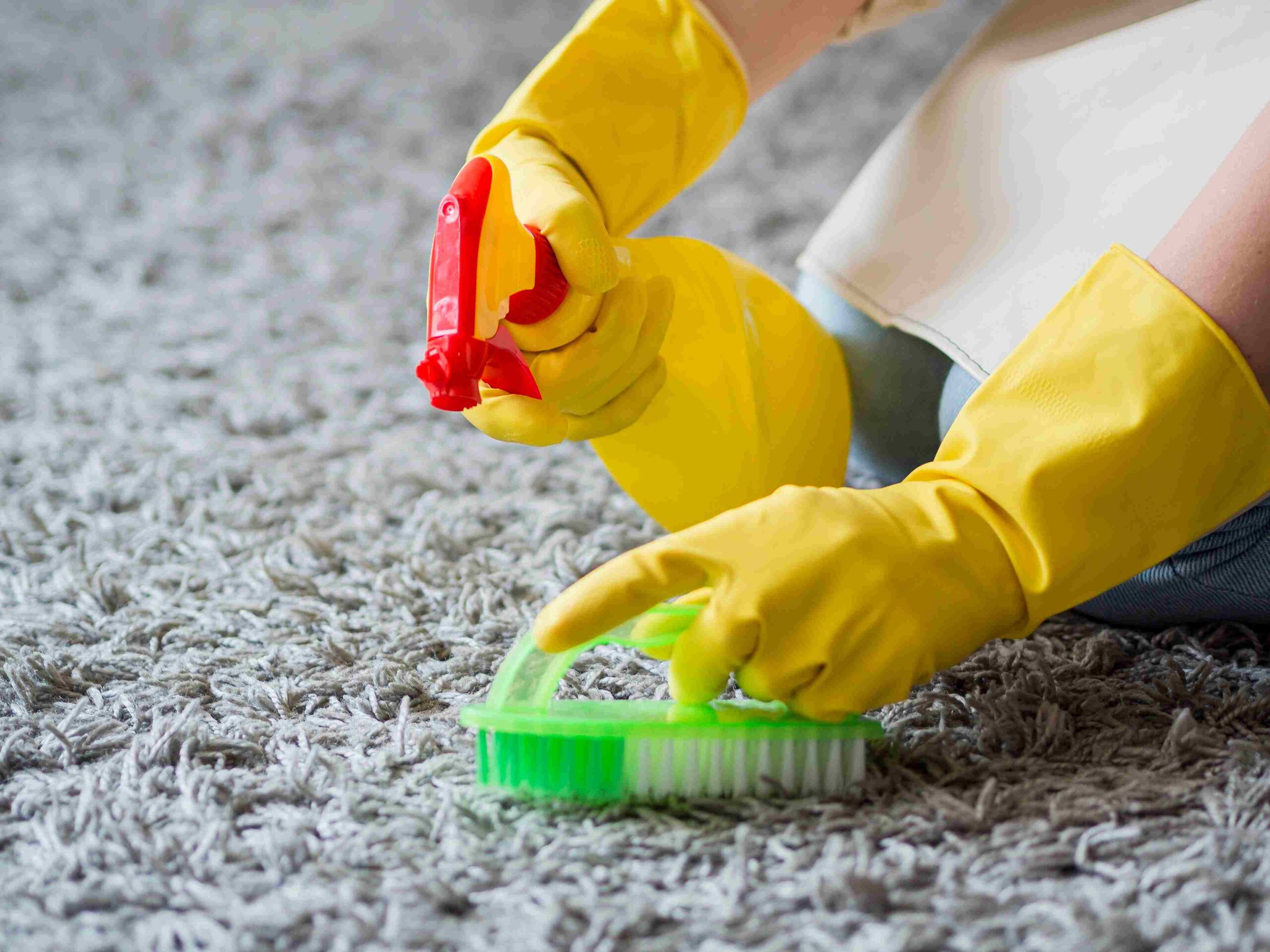
You’ve just had your carpet professionally cleaned – maybe a deep steam clean – and you’re excited to see a fresh, spotless floor. But a few days later, that stubborn tea stain or muddy paw print seems to be waving at you from under the fibres again.
What on earth is going on? I’ve been there, and trust me, it can feel like magic tricks gone wrong. In reality, it’s a science called carpet wicking, and it’s all about moisture and hidden dirt working together behind your back.
Carpet wicking happens when moisture left in the carpet after cleaning acts like a sponge, drawing deeply embedded dirt and old stains upwards into the visible pile. In simple terms, as your carpet dries, dirt from the backing and padding gets pulled up to the surface.
It’s a bit like a reverse shadow: instead of dirt disappearing, old stains resurface when the carpet is wet. Imagine a wet tea towel on your bench – the water seeps and pulls any grime underneath up onto the clean side. That’s essentially what’s happening with your carpet after a wet clean.
Even the best professional cleaning can trigger wicking if moisture isn’t managed. The trickiest part is this happens during the drying process: as the carpet dries from the top fibres down towards the backing, it pulls whatever is trapped in there along for the ride. It feels unfair, but it’s natural physics, not a mistake.
In fact, I often tell homeowners that if they hire qualified carpet cleaning specialists (like we have in Perth), they’ll make sure excess water is extracted quickly and really dried out – exactly what prevents dirt from sneaking back up. Professionals know exactly how to avoid over-wetting the carpet and use high-powered extractors and fans to deal with moisture.
Understanding why stains reappear means knowing what can go wrong:
- Excess Moisture and Cleaning Solution: Pouring too much water or detergent can flood the carpet. When it dries, the extra liquid acts like glue, pulling soil upward.
- Slow Drying Times: Humidity, cool weather or poor airflow can keep the carpet wet for ages. The longer it’s damp, the more time dirt has to climb to the surface. As one expert notes, “Carpet wicking can only occur when the carpet is still wet”.
- Hidden Dirt in the Backing: Even a spotlessly cleaned top layer can hide grime underneath. Carpet backing traps oils and soils; cleaning just disturbs them. It’s like finding a cookie under the sofa – you forgot it was there, but moisture hasn’t.
- Walking on Wet Carpet: Foot traffic before it’s bone-dry can pack more dirt in and push moisture around. Imagine tugging on a wet rug – any moisture left will move deeper or wider.
These factors mean that after a professional clean, any moisture left behind is a bit of a booby trap. If dirt was lurking in your carpet backing or padding, a wet clean can awaken it. It’s the same effect as if you spilled a drink, didn’t clean it up thoroughly, and let it dry on its own. The stain comes right back with interest!
Common Causes of Carpet Wicking
To dive deeper, here are the main culprits that can cause wicking after cleaning:
- Too Much Water During Cleaning: Hot water extraction (steam cleaning) is great for deep cleans, but it only works if the water gets all the way out. Flooding the carpet floods the backing, which soaks up liquid like a sponge. Too much cleanup solution or even a heavy-duty home vac won’t always remove every drop, leaving moisture behind.
- Inadequate Vacuum/Extraction: If the machine doesn’t suck out the water properly – maybe it’s an old or low-power unit, or the cleaner skipped a pass – leftover water gets trapped. Even small amounts are enough to trigger wicking.
- Slow Airflow and Ventilation: In our Aussie homes, we often shut doors and windows to keep the aircon on – or in cooler months, the heater on. But poor airflow means a wet carpet stays wet. Without fans or open windows, drying might take days. During that time, damp is at its worst. As WA’s health department notes, moisture is a key factor in mould growth on carpets and building materials and before mould even shows up, stains have plenty of time to migrate!
- Wool or Thick Pile Carpets: Some carpets naturally hold more water. Wool fibres and lush textures are wonderful underfoot, but they can also mean longer drying. Carpets with thick underlay likewise hold moisture deep. We call these “wicking magnets” because they tend to trap water.
- Spot Cleaning Errors: Let’s say you tried to remove a spill yourself. You scrubbed the carpet and maybe rinsed with water. If you didn’t blot up all that moisture, you’ve basically set a stain trap. The small amount of water can still mobilize dirt when it spreads out in the backing.
| Cause | How it Leads to Wicking | Fix/Tip |
|---|---|---|
| Too much water/cleaner used | Excess moisture saturates backing, draws dirt up | Use measured cleaning solutions; professionals calibrate water use. |
| Slow drying (humidity, poor airflow) | Carpet stays wet longer; dirt migrates as it dries | Use strong fans/dehumidifiers, open doors/windows. |
| Insufficient extraction/vacuum | Water remains in fibres/backing after cleaning | Ensure thorough vacuuming of liquid; repeat if needed. |
| Old or deep-embedded stains | Dirt that didn’t get fully removed re-surfaces when wet | Pre-treat spots fully; repeat cleaning cycle until no residue. |
| Walking on damp carpet | Compacts dirt and redistributes moisture | Keep foot traffic off until completely dry; use signs if needed. |
How to Fix and Prevent Carpet Wicking
Nobody wants a stare-down with that ghost of a stain. The good news is that with a few savvy moves, you can outsmart carpet wicking. I always recommend these steps:
- Spot and Blot Quickly: The best “treatment” is prevention. When spills happen, act fast. Blot liquids with an absorbent cloth first, then rinse lightly with water and blot again. This stops too much liquid from ever soaking in.
- Professional Equipment: If you have recurring wicking stains, consider a professional extractor. They’ll do a deep-clean rinse using water and neutralisers, then extract completely. This usually involves an industrial machine that cleans and vacuum-dries in one go. It might cost a bit more but it really flushes out embedded dirt.
- Use Fans or Air Movers: A simple but effective trick is to run fans in the room while the carpet dries, or even set up a portable dehumidifier. This cuts drying time drastically. Some pros place their machines in a corner, which also helps trap moist air and speed up drying. The goal is to move moisture out faster than the carpet can wick it up.
- Don’t Walk on It: It sounds obvious, but it bears repeating. Treat the damp carpet like wet paint. Put up a “wet floor” sign or lay down towels to walk on. Once it’s fully dry (often 8–12 hours, depending on the carpet and conditions), the risk of wicking vanishes.
- Use Low-Moisture Cleaning Methods: There are alternatives like encapsulation or dry cleaning solutions. These use far less water. The cleaning agent encapsulates dirt and is vacuumed out once dry, with minimal moisture use. It’s not ideal for very soiled carpet, but for maintenance it’s brilliant to prevent wicking.
- Regular Maintenance: Vacuum often. It sounds cliché, but removing surface grit regularly means less dirt to get pulled up later. For stubborn spots, use absorbent powders as interim fixes – they draw out the moisture and trap soil until you can do a full clean.
Remember, healthy humidity in your home matters too. Perth’s climate can be tricky – humid summers and cool winters can slow drying. An air conditioner or dehumidifier helps keep humidity around 50%, which is ideal for dry carpets.
This even keeps mould at bay – WA Health even notes that controlling moisture is the main way to prevent mould growth on carpets. A happy bonus of beating wicking!
Sometimes wicking does happen despite our best efforts. If a stain reappears, try this: apply a small amount of carpet-safe cleaning solution, then use a wet-dry vacuum or clean towels to lift out both the solution and the stain. You might need to repeat it a couple of times. Once the carpet is clean again, hit it with fans and give it a final vacuum once dry.
(Optional) Illustration:
Insert image of a professional carpet cleaning machine or technician treating a carpet.
Below is a simple recap table with do’s and don’ts to keep your floors spotless:
| Do | Don’t |
|---|---|
| Blot spills immediately | Scrub spills vigorously |
| Use an appropriate extractor or fan | Let the carpet air-dry slowly |
| Hire experienced cleaners (they use the right equipment) | Over-soak the carpet or use too much detergent |
| Keep traffic off damp areas | Under-estimate drying times |
Conclusion and Call to Action
Waking up old stains after a clean feels like a cruel joke, but it’s a fixable one. Now you know that carpet wicking is all about hidden moisture carrying old dirt up to the surface. The trick is controlling that moisture: use just enough water, extract thoroughly, dry fast, and be patient while it dries. With these tips, your carpet will stay sparkling longer – and you’ll keep your cool.
If you need extra help or want to avoid this hassle altogether, reach out to professional carpet cleaning crews. Our team of experts treats each job with care, ensuring no excess water is left behind. That way, you get a truly clean, dry carpet every time. Don’t let wicking win – give us a call or book a clean today for peace of mind (and a spotless floor!).
Ready to see a stain actually stay away? Contact professional carpet cleaners now and enjoy a fresh, dry carpet without the wicking drama!
Frequently Asked Questions
Q: What exactly is carpet wicking?
A: Carpet wicking is when stains or dirt reappear after cleaning because moisture in the carpet pulls deep-down soil to the surface as it dries. Think of it like water dragging hidden dirt up to the top fibers.
Q: Why do stains come back after professional steam cleaning?
A: Even pros can unknowingly leave a bit of moisture in the carpet. Steam cleaning uses hot water; if it isn’t all extracted or if the carpet dries too slowly, that water will wick up any leftover stains. It’s not the cleaner’s fault – it’s physics (and that’s why quick drying matters).
Q: How long should I let my carpet dry to prevent wicking?
A: Aim for your carpet to be completely dry within 12–24 hours. Ideally, keep it off-limits for at least 8 hours after cleaning. Using fans or turning on your AC/dehumidifier can cut that time. If it’s still damp after a day, add more airflow.
Q: Can I fix wicking myself, or do I need a pro?
A: You can try spot-fixing with a mild cleaner, then blot and extract the moisture well. However, if wicking is persistent, it’s smart to call in pros. They have powerful machines and know-how to remove the hidden dirt completely and dry things right. A one-time pro clean could save you repeated headaches.